Why Sai Baba Has Followers Worldwide | Global Faith Explained
Why does Sai Baba have followers across the world? Explore the universal, emotional, and spiritual reasons behind his global devotion.
Abhijeet Pandey
1/25/20262 min read
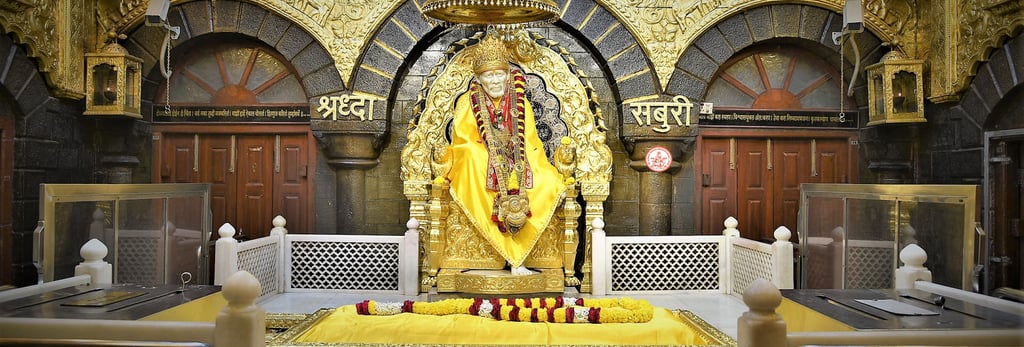
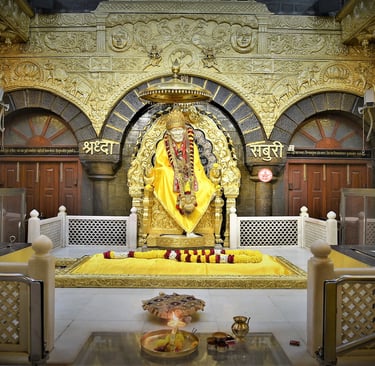
Sai Baba is not limited to one country, language, or religion. From India to the United States, from small villages to large cities, people across the world pray to him. This worldwide following did not happen through expansion or conversion. It happened organically.
Below are the core reasons why Sai Baba’s influence crossed borders and cultures.
1. His Message Is Universal, Not Religious
Sai Baba of Shirdi never asked people to change their religion. His teachings focused on faith, patience, compassion, and moral living.
Because his message does not depend on religious identity, people from Hindu, Muslim, Christian, Sikh, and other backgrounds feel included rather than excluded.
Universal values travel easily across borders.
2. Personal Experience Drives Global Faith
Sai Baba’s following did not grow through institutions. It grew through personal stories.
People across countries share similar experiences:
Guidance during crisis
Emotional strength during loss
Unexpected help during hardship
When someone experiences inner change, geography becomes irrelevant. Faith spreads person to person, family to family, country to country.
3. Migration Took Faith Across Borders
As Indians migrated globally for work and education, they carried their faith with them. Temples and Sai Baba centers emerged in new countries, welcoming not just Indians but locals as well.
Over time, Sai Baba devotion became international, not because of outreach, but because of lived faith.
4. Simplicity Makes Him Accessible
Sai Baba worship does not require deep theological knowledge or complex rituals. A simple prayer, remembrance, or act of kindness is considered enough.
This simplicity allows people from different cultures to connect without feeling overwhelmed or excluded.
5. Emotional Connection Over Philosophy
Sai Baba is often seen as a compassionate guide or father figure. People relate to him emotionally before they relate intellectually.
This emotional bond resonates universally. Human struggles are the same everywhere. Fear, hope, loss, and faith do not need translation.
6. Stories Travel Faster Than Scriptures
Sai Baba’s teachings spread largely through stories rather than texts. Stories of help, healing, and transformation circulate through families, social media, and communities.
Stories feel real. They cross language and cultural barriers easily.
7. He Represents Unity in a Divided World
In a world often divided by religion and identity, Sai Baba represents harmony. His life showed that faith and humanity are greater than labels.
This message feels especially relevant globally, where people seek spiritual meaning without conflict.
8. No Pressure, No Fear
Sai Baba worship does not rely on fear, punishment, or obligation. Devotees are drawn voluntarily, not compelled.
This absence of pressure allows people to approach him freely, explore faith at their own pace, and stay connected without guilt.
Final Reflection
Sai Baba has followers worldwide because his presence answers a universal human need: reassurance during uncertainty.
His path is not about who you are or where you come from. It is about how you live, how you trust, and how you treat others.
That is why his devotion has no borders.
Read More: