Rules to Follow While Visiting Shirdi | Sai Baba Temple Guidelines
Visiting Shirdi for darshan? Learn the important rules to follow while visiting Shirdi, including dress code, security rules, darshan discipline, and temple etiquette.
SHIRDI & PILGRIMAGE
Anand Tiwari
1/22/20262 min read
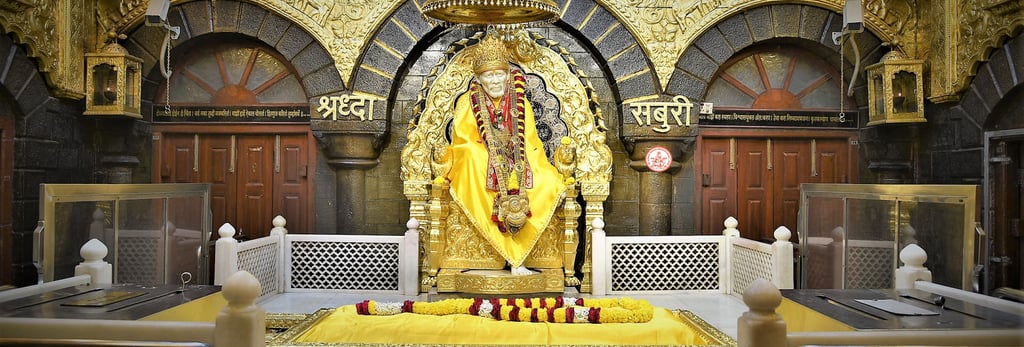
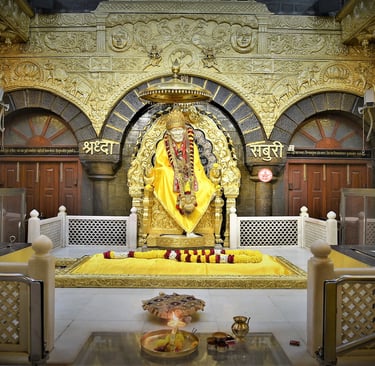
Shirdi is one of India’s most sacred pilgrimage destinations and welcomes millions of devotees every year. To maintain sanctity, safety, and smooth crowd movement, the Shirdi Sai Baba Sansthan has laid down specific rules that every devotee must follow.
Understanding these rules before your visit helps ensure a peaceful darshan experience and shows respect toward the temple traditions.
General Rules for Visiting Shirdi
Follow instructions given by temple staff and volunteers at all times
Maintain silence and decorum inside the temple premises
Do not push, argue, or break queues
Always cooperate with security personnel
The temple operates on discipline and collective cooperation.
Dress Code Rules at Shirdi
There is no strict dress code, but modest attire is strongly recommended.
Allowed Clothing
Simple traditional or decent modern wear
Full-length pants, sarees, salwar suits, kurtas
Discouraged Clothing
Shorts and mini skirts
Sleeveless or revealing clothes
Torn or inappropriate outfits
Wearing respectful clothing reflects devotion and helps avoid entry issues.
Items Not Allowed Inside the Temple
For security reasons, the following items are strictly prohibited inside the Samadhi Mandir:
Mobile phones and cameras
Bags, backpacks, and purses
Food items and water bottles
Electronic gadgets and sharp objects
Free locker facilities are available near temple entry points.
Darshan Queue Rules
Entry is allowed only through designated gates
Cutting or jumping queues is strictly prohibited
Darshan inside the sanctum is brief due to crowd flow
Stopping, sitting, or prolonged prayers inside the sanctum are not allowed
Devotees are requested to fold hands and move forward calmly.
Rules During Aarti
Entry during aarti is permitted only with a valid aarti pass
Aarti passes must be booked in advance
Once aarti begins, late entry is not allowed
Photography or videography during aarti is strictly banned
Aarti is a sacred ritual and must be attended with full discipline.
Rules for Offerings and Donations
Flowers, garlands, and coconuts are not allowed inside the sanctum
Cash donations should be made only at official counters
Avoid giving money to unauthorized agents or middlemen
Prasad should be accepted respectfully and not wasted
Unauthorized offerings are strictly discouraged.
Rules for Senior Citizens and Special Needs Devotees
Senior citizens can use special darshan queues with valid ID
Wheelchairs are available on request
Attendants must follow temple staff instructions
Special darshan facilities are subject to crowd conditions
Respect and patience are essential even in special queues.
Photography and Mobile Usage Rules
Photography is not allowed inside the temple complex
Mobile phones must be deposited before entry
Silent mode is mandatory if allowed in outer areas
Violation of these rules may lead to confiscation or penalties.
Cleanliness and Behavior Rules
Do not litter inside or outside the temple premises
Use dustbins provided
Smoking, alcohol, and tobacco are strictly prohibited
Loud conversations and arguments are not allowed
Maintaining cleanliness is considered a form of devotion.
Important Tips for First-Time Visitors
Visit on weekdays for lesser crowd
Carry minimal belongings
Stay calm and patient during waiting time
Respect fellow devotees and temple traditions
Following the rules while visiting Shirdi ensures a safe, smooth, and spiritually uplifting experience for everyone. These guidelines are not restrictions but measures to protect the sanctity of Sai Baba’s Samadhi and manage millions of devotees efficiently.
A disciplined visit allows you to focus on devotion, faith, and inner peace, which is the true purpose of coming to Shirdi.
Read More:
History of Shirdi before Sai Baba
Dwarkamai significance in Sai Baba's life
What is the Chavadi procession in Shirdi